
Ask ten car owners about cleaning under the hood and you will get ten opinions. Some have heard a story about a car that would not start after a wash. Others never open the hood except to add washer fluid. The truth sits in the middle. Done the wrong way, with a pressure washer blasting a hot engine, cleaning can cause problems. Done the right way, it is routine. This post explains the difference, what to avoid, and whether our Engine Bay Cleaning & Conditioning add-on makes sense for you.
Yes, when it is done carefully. Modern engine bays are built to handle road spray, so a cool engine, covered sensitive electronics, gentle degreaser, soft brushes and low-pressure rinsing are safe for most vehicles. It is worth it before selling, for spotting leaks early, and for clearing salt, sand and leaves from Florida engine bays.
Is It Safe to Clean an Engine Bay?
Modern engine compartments are designed to deal with rain, puddle splash and road spray. Connectors are generally sealed, and the most sensitive parts are tucked under covers. That does not mean they are built for a direct, high-pressure blast at close range. The risk comes from method, not from water itself.
| Careful method | Risky method | |
|---|---|---|
| Engine temperature | Cool to the touch | Hot or just shut off |
| Water pressure | Low pressure, gentle rinse | Pressure washer up close |
| Electronics | Covered or avoided | Sprayed directly |
| Cleaner | Product made for engine bays, used per label | Harsh or unknown chemicals |
| Agitation | Soft brushes | Stiff brushes on hoses and labels |
| Drying | Air blown out and left to dry | Hood closed while soaked |
Always check your owner's manual too. Some vehicles, including many hybrids and EVs, have specific guidance about what under the hood should and should not get wet. If your vehicle has warnings about high-voltage components, follow them. Our post on Tesla and EV detailing covers that side.
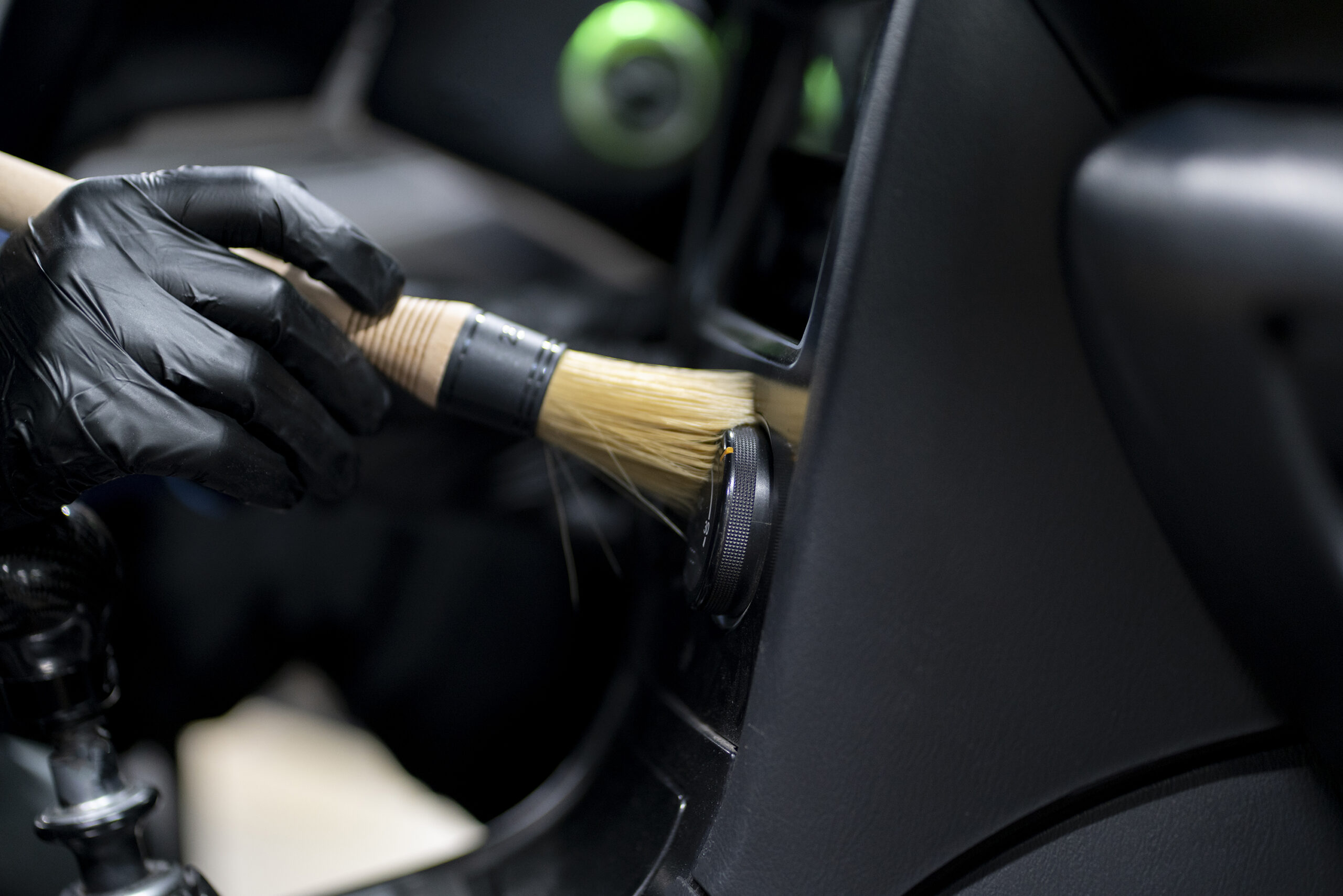
Older vehicles are a different story. Cars with exposed ignition components, older wiring or cracked insulation are more sensitive to water. For an older or classic vehicle, a careful hand-wipe with a damp towel and engine-bay-safe cleaner is often the better choice than rinsing at all. When in doubt, ask your mechanic what your specific engine tolerates.
Why Clean an Engine Bay at All?
It is fair to ask. Nobody sees it most days. But there are real, practical reasons, especially here.
- Spotting leaks early. On a clean engine, a fresh oil, coolant or fluid seep stands out. On a grimy one, it disappears into the dirt. Spotting it early lets you get it to your mechanic sooner.
- Clearing out debris. Oak leaves, pine needles and pollen collect in the cowl and around the battery. Our post on pollen season car care covers the yellow layer every spring.
- Salt and sand near the coast. Cars that live along A1A or on Anastasia Island collect salty grime under the hood as well as on the paint.
- Selling or trading in. A clean engine bay suggests a car that was looked after, and it makes it easier for a buyer or inspector to see the condition. See detailing before you sell.
- Rodent nests. Debris and food smells can attract critters. A clean bay makes nests easier to spot.
Common Myths About Cleaning Under the Hood
- Myth: any water will damage the engine. Engine compartments are designed to handle road spray and rain. Direct high pressure and hot engines are the real risks.
- Myth: a shiny engine is a sign of a good cleaning. Heavy, greasy dressings look shiny at first but attract dust and can hold dirt against parts. A clean, satin finish is the goal.
- Myth: it only matters for show cars. Clean engine bays make leaks and worn hoses easier to see, which matters for daily drivers too.
- Myth: dish soap or kitchen degreaser is just as good. Household products can be harsh on rubber, plastic and labels. Use products made for engine bays and follow the label.
How to Clean Your Engine Bay Safely at Home
If you want to try it yourself, go slow and keep it gentle. Work in the shade, early in the morning, with the engine cold.
Let it cool completely
Never spray a hot engine. Wait until everything is cool to the touch. Morning before driving is easiest.
Remove loose debris
Pull out leaves and needles by hand and with a soft brush or blower, especially around the cowl and battery.
Cover sensitive parts
Use plastic bags or wrap to cover the air intake, the alternator, exposed electrical connectors and the fuse box if it is not sealed. Check your manual for anything else it warns about.
Apply cleaner and agitate
Spray an engine-bay-safe degreaser following the label. Work it with soft brushes on plastic covers and painted surfaces. Do not let it dry.
Rinse gently
Use low pressure, like a garden hose on a gentle setting, or a damp microfiber for sensitive areas. Rinse from a distance and avoid aiming at electrical parts.
Dry and dress
Remove the covers, blow out standing water, and leave the hood open to air dry. Then apply a water-based dressing to plastics and rubber if you like.
- Work only on a cool engine
- Cover electronics and the air intake
- Use products labeled for engine bays
- Rinse with low pressure
- Remove all coverings before starting the car
- Do not use a pressure washer up close
- Do not spray a hot or running engine
- Do not use household bleach or mix chemicals
- Do not soak the fuse box or exposed connectors
- Do not use greasy, oily dressings that collect dust
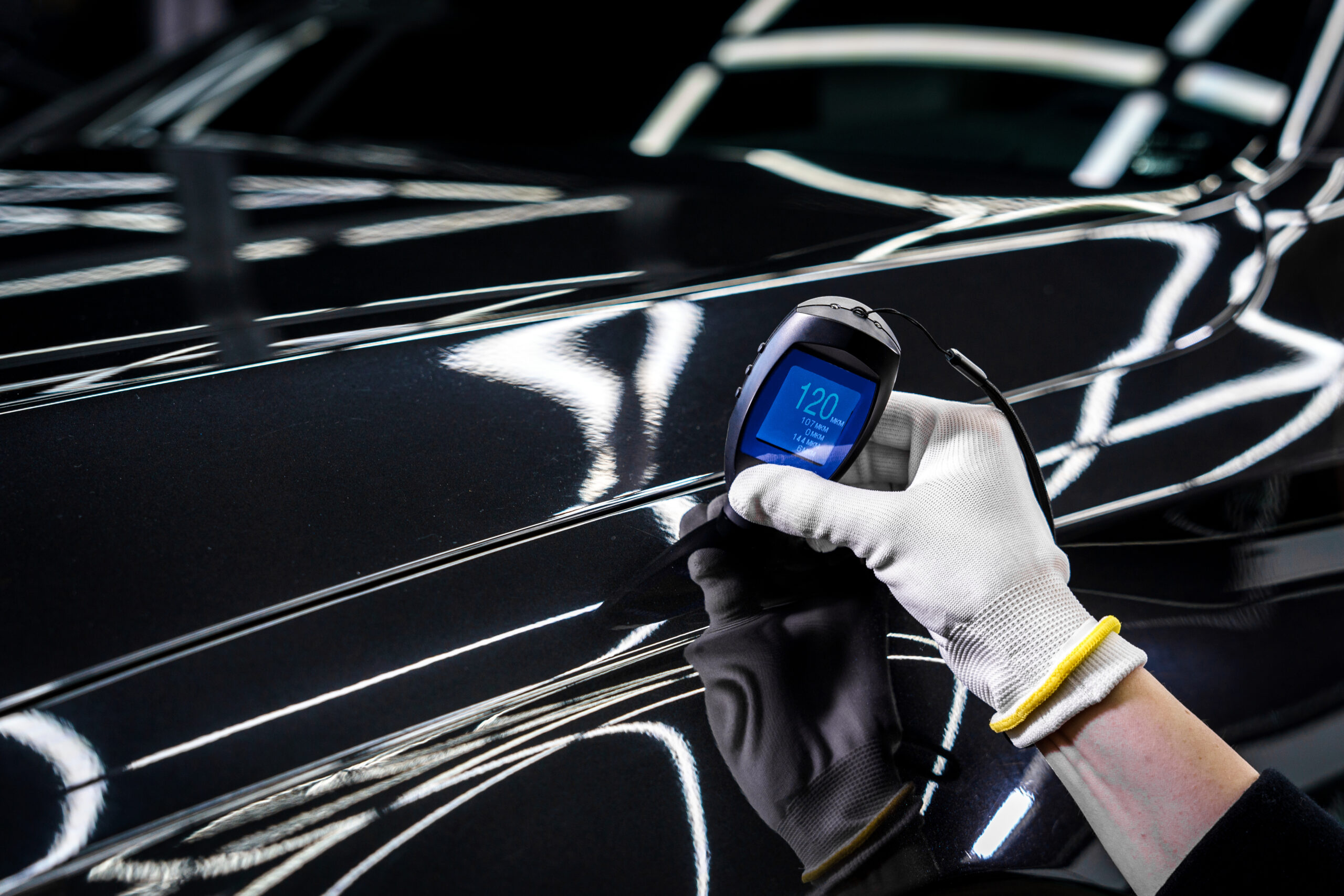
Before you start the car, check the bay one more time. Remove every bag and cover, make sure the oil cap and dipstick are seated, and let any standing water dry. Starting an engine with a plastic bag still over the air intake is an easy mistake to make, and an easy one to avoid with a quick final look.
What Our Engine Bay Service Includes
Our Engine Bay Cleaning & Conditioning add-on follows the same careful approach: cool engine, sensitive areas protected, gentle cleaning and low-pressure rinsing, then a dressing on plastic and rubber surfaces. Because it is an exterior add-on, it is booked together with an exterior detail.
- Add Engine Bay Cleaning & Conditioning to the Standard Detail Package, Full Detail Package or Exterior Detail & Ceramic Wax.
- A full engine-bay detail is already included in Prince's Royal Package, along with iron decontamination, 1-step paint correction and full interior steam.
- See every add-on and your exact price for your vehicle when you book online.
One honest note: engine bay cleaning is cosmetic and practical, not mechanical. It does not fix leaks or replace a mechanic's inspection. If cleaning reveals a seep or a cracked hose, we will point it out so you can have it looked at.
To prepare, make sure we can open the hood, and try not to drive the vehicle right before the appointment so the engine has time to cool. If you have a warning light on the dash or a known issue under the hood, mention it when you book. It is better for everyone to know up front.
So, Is It Worth It?
For most drivers, an engine bay cleaning makes sense occasionally rather than every wash. Good times to add it: before selling or trading in, after a heavy pollen season, if you live near the beach, or when you are already booking a deeper exterior detail. It is also a smart step right after buying a used car, so you start with a clean baseline and can spot any new leaks.
A clean engine bay is not about showing off. It is about seeing problems while they are still small.
— Prince's Mobile Detailing, St. AugustineWe come to you anywhere in St. Augustine, St. Augustine Beach and the surrounding area with our own power and water. Browse all detailing add-ons, then book online or call (904) 593-9265.
More From the Prince's Mobile Detailing Blog
Frequently Asked Questions
It can if done carelessly, such as pressure washing a hot engine or spraying exposed electronics directly. With a cool engine, covered sensitive parts, gentle products and low-pressure rinsing, it is routine for most vehicles. Always follow your owner's manual.
Occasionally is enough for most drivers. Good times are before selling, after pollen season, after buying a used car, or if you live near the coast where salty grime builds up.
No. Use low pressure, like a garden hose on a gentle setting, and keep water away from electrical connectors. High pressure can force water into places it should not go.
Follow the owner's manual first. Many hybrids and EVs have specific warnings about high-voltage components, and those instructions decide what is safe to clean and how.
A full engine-bay detail is included in Prince's Royal Package. Otherwise, Engine Bay Cleaning & Conditioning is an add-on booked with an exterior detail.
Add an Engine Bay Clean
Pair Engine Bay Cleaning & Conditioning with an exterior detail and see your exact price online.
See My Price & Book