
If you've driven I-95 or US-1 in late spring or late summer, you know the sound: a steady tick-tick-tick of lovebugs hitting the windshield. Within a few miles your bumper, mirrors and hood are covered. Lovebugs are harmless to people, but their remains are tough on paint when they sit in the Florida sun. Here's how to get them off safely, how fast you really need to act, and how an exterior detail with good protection makes the next swarm much less of a chore for drivers around St. Augustine.
Remove lovebugs within a day or two, before Florida heat bakes them on. Soak the area with a bug remover or a soaking-wet microfiber towel for a few minutes, then wipe gently and rinse. Never scrape or scrub. A coat of wax, sealant or ceramic coating before the season makes cleanup far easier.
When Lovebug Season Hits Northeast Florida
Florida typically sees two lovebug flights a year: one in late spring and another in late summer into early fall. Each one lasts a few weeks. The exact timing shifts with the weather, so some years start earlier or run longer than others.
Lovebugs fly during the day, mostly from mid-morning into the late afternoon, and they tend to hover over roads and highways. That's why commuters on I-95, US-1 and SR-16 get hit so hard, and why a short drive at dusk can leave the car far cleaner than the same trip at noon.

Why Lovebugs Are Hard on Paint
The problem isn't the impact. It's what happens afterward. As lovebug remains sit on the car and bake in the heat, they become acidic and harden onto the surface. Left for days, especially on a hot hood in direct sun, they can stain or etch the clear coat, leaving marks that remain even after the bugs are gone.
There's also a scratching risk. Dried bugs are crunchy and gritty. Scrubbing them off with a dry towel or a rough sponge grinds that grit across the paint and leaves fine scratches. Patience, not pressure, is what gets them off cleanly.
- Front bumper and grille, which take the most hits.
- Hood leading edge, which gets hot fast in the sun.
- Side mirrors and the A-pillars beside the windshield.
- Windshield, where smeared bugs cut visibility, especially at night.
- Radiator and A/C condenser openings, where they can pile up and restrict airflow.
How to Remove Lovebugs Safely
The secret is softening them first so they slide off instead of being scraped off. Do this on a cool surface in the shade.
Rinse the front of the car
A gentle stream of water loosens fresh bugs and removes loose grit. Don't blast the paint up close with a pressure washer.
Soak the bug-covered areas
Spray an automotive bug remover and follow the label, or lay a soaking-wet microfiber towel over the area for several minutes. Rewet the towel if it starts to dry.
Wipe gently
Use a clean, wet microfiber or a soft bug sponge made for automotive paint, with light pressure. Most remains should slide off. Repeat the soak rather than pressing harder.
Wash the whole car
Wash with a pH-balanced car shampoo so you remove any remaining residue and the bug remover itself.
Dry and protect
Dry with a soft towel and add a spray sealant or wax to the front of the car. That layer makes the next round easier to remove.
For the windshield, use a glass-safe bug remover and plenty of washer fluid. A dedicated bug sponge or plastic-mesh pad made for glass is fine there, but keep those off your paint.
- Clean bugs off within a day or two.
- Soften remains before wiping.
- Use products labeled for automotive paint and follow the directions.
- Work in the shade on a cool hood.
- Rinse the radiator and grille openings gently with low pressure.
- Don't scrape bugs with fingernails, razor blades or hard plastic on paint.
- Don't use dryer sheets, scouring pads or magic erasers on clear coat.
- Don't let bug remover dry on the paint.
- Don't use household cleaners or mix chemicals.
- Don't wait for the weekend if the car is covered on a Monday.
Prep Your Car Before the Swarm
The best time to deal with lovebugs is before they arrive. A slick, protected surface keeps remains from bonding, so a quick rinse and wipe does most of the work.
- Apply wax, sealant or a ceramic coating to the front end.
- Top up washer fluid and check wiper blades.
- Keep a bottle of bug remover and a few clean microfiber towels in the car.
- Plan to rinse the front of the car every few days during peak weeks.
- If you can, shift long drives toward early morning or dusk.
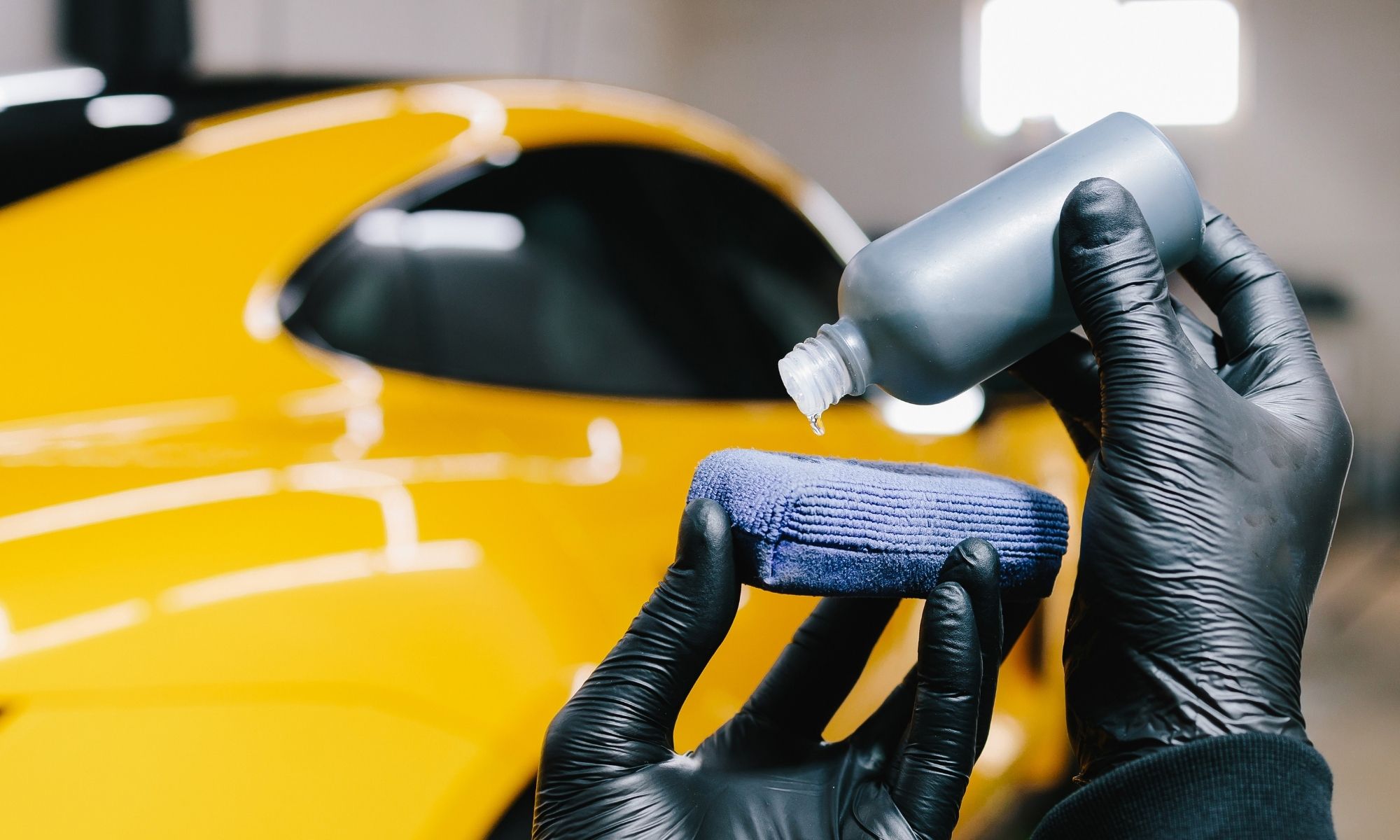
Protection level matters. Ceramic-infused wax from our Standard Detail Package lasts about 1–3 months, which can cover one season. Ceramic sealant from the Full Detail Package lasts about 3–6 months. A ceramic coating covers many seasons and makes bug removal far easier. Our guide to ceramic coating vs. wax vs. sealant explains the trade-offs.
Don't Forget the Grille, Radiator and Windshield
Paint gets most of the attention, but lovebugs pile up in places that are easy to overlook. The openings in the grille and lower bumper lead to the A/C condenser and radiator. During a heavy flight, enough bugs can collect there to reduce airflow, which matters in a Florida summer when your cooling system and air conditioning are already working hard.
To clean those openings, let the engine cool completely, then rinse gently from the front with a garden hose at normal pressure. A soft brush can help loosen clumps. Don't use a pressure washer up close on the condenser or radiator fins, which bend easily. If you notice your A/C struggling or the temperature gauge climbing, have a mechanic take a look.
The windshield is a safety issue as much as a cosmetic one. Smeared lovebugs scatter light from oncoming headlights and make night driving on unlit roads harder. Keep washer fluid topped up, replace worn wiper blades before the season, and clean the glass with a glass-safe bug remover rather than letting wipers smear the remains around. Clean the wiper blades themselves with a damp cloth, too, since they collect residue that streaks the glass.
What If the Bugs Already Left Marks?
If you can still see outlines or dull patches after the bugs are cleaned off, the remains have likely etched the clear coat. Washing won't fix that. Light etching can often be leveled with machine polishing. Our 1-step paint correction removes roughly 60–70% of swirls and light defects, and a 2-step correction removes roughly 85–95%. Deeper marks may improve without disappearing completely.
Our paint correction explainer walks through what polishing can and can't fix. Prince's Royal Package also includes a 1-step correction along with iron decontamination and a 6-month sealant, which is a good reset after a rough season.
Let Us Handle Lovebug Cleanup
During lovebug season, a lot of drivers simply don't have the time to soak and wipe the front of the car every few days. We come to you with our own generator and deionized water, and our exterior service includes bug removal as part of the spot-free foam hand wash. You don't need to be home for most exterior work.
Lovebugs are a timing problem. Get them off in a day or two and they're an annoyance. Leave them a week in July and they're a paint problem.
— Prince's Mobile Detailing, St. AugustineWe cover St. Augustine and nearby areas from World Golf Village to the beaches, 7AM to 7PM every day. Choose your vehicle and package on our online booking page to see your exact price and grab a time.
More From the Prince's Mobile Detailing Blog
Frequently Asked Questions
Florida typically has two lovebug flights each year, one in late spring and one in late summer into early fall. Each lasts a few weeks, and exact timing varies with the weather.
They can. As the remains bake in the sun they become acidic and harden, and if left for days they can stain or etch the clear coat. Prompt removal prevents most damage.
Soften them first with an automotive bug remover or a soaking-wet microfiber towel laid over the area, then wipe gently and wash the car. Never scrape or scrub dried bugs off paint.
We don't recommend them on paint. They can be abrasive when rubbed on clear coat. Use products made for automotive paint instead.
Yes. A coating gives the paint a slick, chemical-resistant layer, so remains don't bond as easily and usually rinse off with less effort. It still pays to clean them promptly. See our ceramic coatings page.
Beat the Lovebugs This Season
Book an exterior detail with lasting protection and see your exact price instantly.
See My Price & Book