
Is there a more Florida way to start the morning than walking out to find your car under a live oak, freckled with sap and decorated by a passing bird? Around St. Augustine, with its shady streets, marsh birds and parking lots lined with trees, it happens constantly. Both are easy to remove when they're fresh. Leave them a few days in summer heat, though, and they can leave marks that need polishing. Here's how to handle each one safely and when an exterior detail is the better move.
Bird droppings are acidic and tree sap hardens in the sun, and both can stain or etch clear coat if left for days in Florida heat. Soften droppings with a wet microfiber or quick detailer and lift them off without rubbing. Dissolve sap with a dedicated sap remover. Wash, then protect the paint.
Why Speed Matters in Florida
Your clear coat is tough, but it isn't invincible. Two things work against it when droppings or sap sit on the paint:
- Acidity: Bird droppings are acidic. The longer they sit, the more time they have to eat into the clear coat and leave a dull, etched outline.
- Heat: Florida sun heats paint well above the air temperature, especially on dark cars. Heat speeds up chemical reactions and bakes residue onto the surface.
- Hardening: Tree sap starts out sticky and slowly hardens. Once it cures, it bonds firmly and takes much more effort to remove.
- Grit: Droppings often contain seeds, shells and sand, which scratch the paint if you wipe carelessly.
The practical rule: deal with bird droppings the same day if you can, and sap within a few days. Neither needs to be an emergency, but neither should wait for your next monthly wash.
How to Remove Bird Droppings Safely
The biggest mistake people make is wiping a dried dropping with a dry napkin. That drags the gritty bits across the paint. The goal is to soften it, then lift it.
Soften it
Lay a soaking-wet microfiber towel over the dropping for a few minutes, or spray it generously with a quick detailer or a bird dropping remover made for cars.
Lift, don't scrub
Gently pinch the towel to lift the softened mess off the paint in one motion. Don't rub back and forth.
Repeat if needed
If anything remains, soak it again rather than pressing harder.
Clean the spot
Mist the area with quick detailer and wipe gently with a clean side of the towel, or wash the panel with car shampoo.
Check for marks
Look at the area in sunlight. A faint dull ring means some etching has already happened.
Keep a small kit in the car: a bottle of quick detailer and a couple of clean microfiber towels in a zip bag. It takes a minute to deal with a dropping in a parking lot, and that minute can save you a trip for paint correction.
How to Remove Tree Sap
Sap is a different problem. It isn't so much acidic as sticky and stubborn, and it can take a long time to come off if you go at it with soap alone. Fine sap mist, the speckled spray you get from parking under certain trees, often feels like sandpaper on the paint.
Wash and cool the panel
Wash the car first and make sure the paint is cool and in the shade.
Use a dedicated sap remover
Apply a sap or tar remover made for automotive paint to a microfiber towel, following the label. Test it in a hidden area first.
Hold, then wipe gently
Press the damp towel on the sap for the dwell time on the label so it can dissolve, then wipe gently. Repeat rather than scrubbing.
Clay any leftover mist
For fine sap speckles across a whole panel, a lubricated clay bar lifts what's left. Our clay bar guide explains how.
Wash and protect
Wash the area again to remove solvent residue, then apply wax or sealant, since removers strip protection.
Some people use diluted isopropyl alcohol on sap. It can work, but it also strips wax and can affect some finishes and trim, so test first, use it sparingly, and rinse and protect afterward. A product made for sap is usually the gentler option.
Sap on glass and trim needs a slightly different touch. On windows, a sap remover labeled safe for glass works well, and glass tolerates a bit more careful effort than paint does. On textured black plastic trim, solvents can leave light or blotchy patches, so test first and use as little product as possible. Rubber seals around doors and windows should get only a mild cleaner and a soft towel. If sap has dripped into the seams around the sunroof or door handles, a soft detailing brush dampened with the remover helps you reach it without scrubbing the surrounding paint.
If the whole car is speckled after a few weeks under a tree, it's usually faster and safer to have it decontaminated all at once than to chase each spot by hand.
What Not to Do
- Soften before you wipe.
- Use clean, soft microfiber towels.
- Work on cool paint in the shade.
- Test new products in a hidden spot.
- Re-protect the paint after using any remover.
- Don't scrape sap or droppings with a fingernail, razor or card.
- Don't use magic erasers, scouring pads or paper towels on paint.
- Don't use household bleach, ammonia, nail polish remover or other harsh solvents.
- Don't mix chemicals.
- Don't wait for the weekend when it's July and the car is parked in the sun.
Wipers aren't a fix, either. Droppings and sap on the windshield get smeared into a film that's harder to see through. Clean glass with the same soften-and-lift approach and a car glass cleaner.
When the Damage Is Already Done
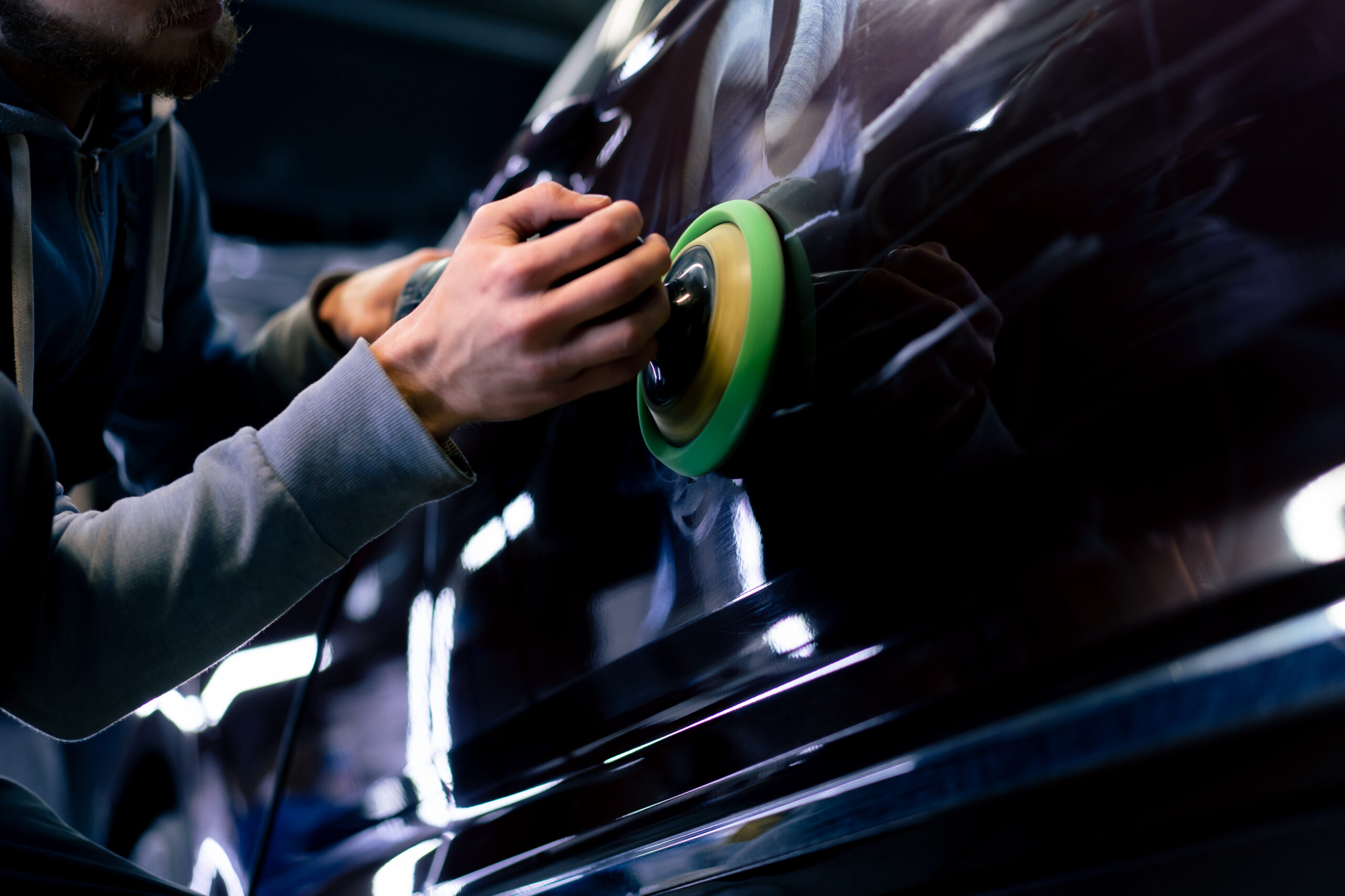
If you can still see an outline after the area is clean, the clear coat is etched. No spray will remove that, because the surface itself has changed shape. The fix is careful machine polishing to level the clear coat around the mark.
| What you see | Typical fix | |
|---|---|---|
| Fresh deposit | Dropping or sap sitting on top | Soften, lift, wash, protect |
| Stain | Faint discoloration, surface feels smooth | Wash, clay, sometimes light polish |
| Light etching | Dull ring or crater outline in sun | 1-step paint correction |
| Deep etching | Visible pit you can catch with a fingernail | 2-step correction; may not fully remove |
Our 1-step paint correction removes roughly 60–70% of swirls and light defects, and 2-step correction removes roughly 85–95%. Deeper etching may improve without disappearing completely, and we'll tell you honestly what to expect. Our paint correction guide and paint correction service page go into more detail.
Prevention: Parking and Protection
You can't control birds, but you can stack the odds in your favor.
- Avoid parking directly under trees, power lines and light poles where birds perch.
- Notice which spots in your regular lots are worst and skip them.
- Keep a quick detailer and microfiber towels in the car.
- Wash every couple of weeks so fresh deposits don't pile up.
- Keep wax, sealant or a ceramic coating on the paint.
Protection is the real safety net. A sealant or coating sits between the deposit and your clear coat, buying you time and making removal easier. Our Full Detail Package includes clay decontamination and ceramic sealant for about 3–6 months, and a ceramic coating offers years of chemical resistance. Coatings help a lot, but they don't make paint immune, so prompt cleanup still matters. Lovebugs are the other seasonal culprit, covered in our lovebug removal guide.
A bird dropping cleaned up today is a non-event. The same one left in August heat for a week can be a paint correction job.
— Prince's Mobile Detailing, St. AugustineWe come to your home or workplace anywhere from downtown St. Augustine to Nocatee, bringing our own generator and deionized water. Choose your vehicle and package on our booking page to see your exact price, any day from 7AM to 7PM.
More From the Prince's Mobile Detailing Blog
Lovebug Season: Removing Lovebugs Without Hurting Your Paint
Ceramic & PaintPaint Correction Explained: Swirls, Scratches and 1-Step Polishing
Ceramic & PaintClay Bar Treatment: What It Does and When You Need It
Frequently Asked Questions
There's no exact clock, because it depends on heat, sun and the paint. In Florida summer heat, damage can start quickly, so it's best to remove droppings the same day when you can.
Soften the dropping with a soaking-wet microfiber or a quick detailer for a few minutes, then gently lift it off without rubbing. Clean the spot and check for etching in sunlight.
Sap that hardens and bakes on can stain the clear coat and is hard to remove without scratching. A dedicated sap remover dissolves it safely. Remove sap within a few days.
Light etching usually polishes out well. Deeper etching may be reduced but not fully removed. See our paint correction page for how 1-step and 2-step correction compare.
A coating adds chemical resistance and makes droppings easier to remove, which buys you time. It doesn't make paint immune, so remove droppings promptly even on coated cars.
Fresh Paint, Fully Protected
Book an exterior detail with lasting protection and see your exact price instantly online.
See My Price & Book